


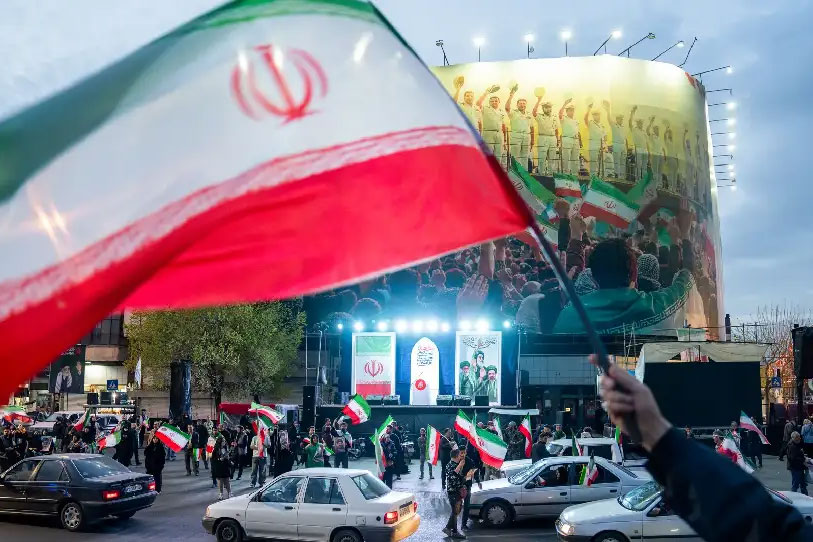
The Donald Trump administration is trying to shape the framework for a possible peace deal with Iran, but the process faces a major problem: it is unclear who the real decision-makers in Iran are. According to Axios, much of Iran’s top leadership has been killed or removed from power in recent strikes, creating a power vacuum and uncertainty for negotiations.
Washington is trying to reach out to influential figures in Iran to understand who can help move the talks forward. Key figures include Parliament Speaker Mohammad Bagher Ghalibaf, considered one of the most powerful civilian figures, and the former supreme leader’s son, Mojtaba Khamenei, whose real influence and status remain unclear.
Also playing an important role are Iranian President Masoud Pazeshkian, who represents the more moderate wing, and veteran diplomat Abbas Araghchi, who has previously participated in nuclear negotiations with the United States. However, according to sources, Iran’s Revolutionary Guard Corps in particular continues to increase its influence and may actually be the main decision-making center.
The United States is already discussing in a preliminary form the terms of a future agreement, which include strict restrictions on Iran’s nuclear program, a halt to its missile program, and a renunciation of support for regional armed groups. However, Tehran has repeatedly rejected such demands in the past, casting doubt on the possibility of a quick agreement.
Thus, although Washington is actively preparing for negotiations and seeking a suitable partner in Iran, the process is complicated not only by political contradictions but also by the fact that it is still unclear who actually leads Iran and can make the final decision on peace.