



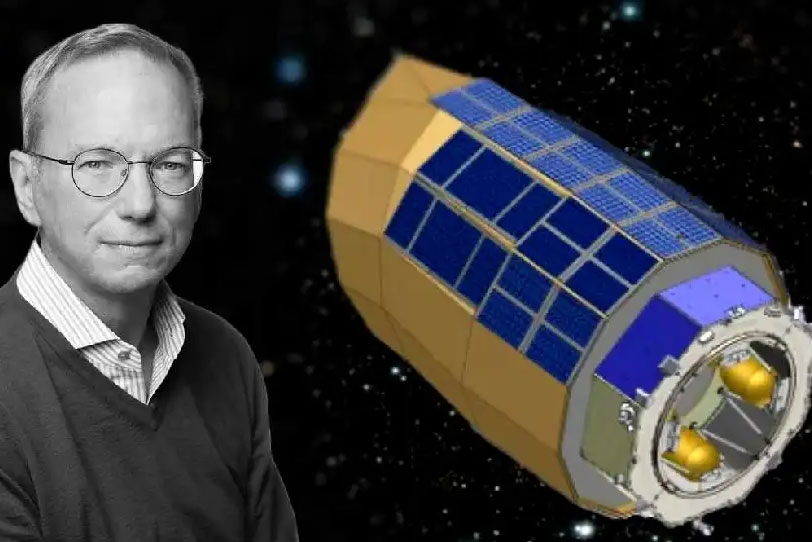
Schmidt Science has announced plans to build four advanced observatories by 2029, including the world’s first private space telescope, Lazuli, which will be larger than the Hubble Space Telescope. These projects will form the “Eric and Wendy Schmidt Observatory System” and will include three ground-based stations and one space telescope.
The system will combine optical, infrared, and radio observations. One of them, Argus, will scan the entire sky every night using a system of 1,000 small telescopes. LFAST will analyze the chemical composition of distant objects using spectroscopy, and the Deep Synoptic Array will create real-time images of the radio sky.
Lazuli will observe the universe in 23 colors, explore exoplanet systems, and use starlight-blocking technology to discover more miniature worlds.
These observatories are designed to be interoperable and relatively inexpensive, enabling rapid open data provision and expanding the global reach of modern astronomy.